
The Lasting Appeal of Classic Vermont Breakfasts

The Morning Ritual That Grounds Mountain Life

In a world of hurried coffee runs and breakfast eaten behind a steering wheel, a classic Vermont morning feels wonderfully deliberate. The day begins with a hot mug, a generous plate, and enough time for conversation. In Stowe, that pause is especially welcome. The village sits beneath the Green Mountains, where skiers, hikers, cyclists, and leaf peepers arrive with full itineraries, yet the most memorable part of the morning may be the quiet hour before the first trail or scenic drive.

A traditional Vermont breakfast offers more than fuel for alpine adventures. It creates a sense of place through familiar ingredients, careful preparation, and the easy hospitality of a welcoming dining room. A stack of griddled cakes with local syrup, farm-fresh eggs, crisp bacon, and strong coffee can turn an ordinary morning into a small cultural ritual. For travelers seeking an authentic Stowe experience, a relaxed table at a local Vermont breakfast destination provides an ideal introduction to the region”s landscape, farming traditions, and gracious mountain-town character.
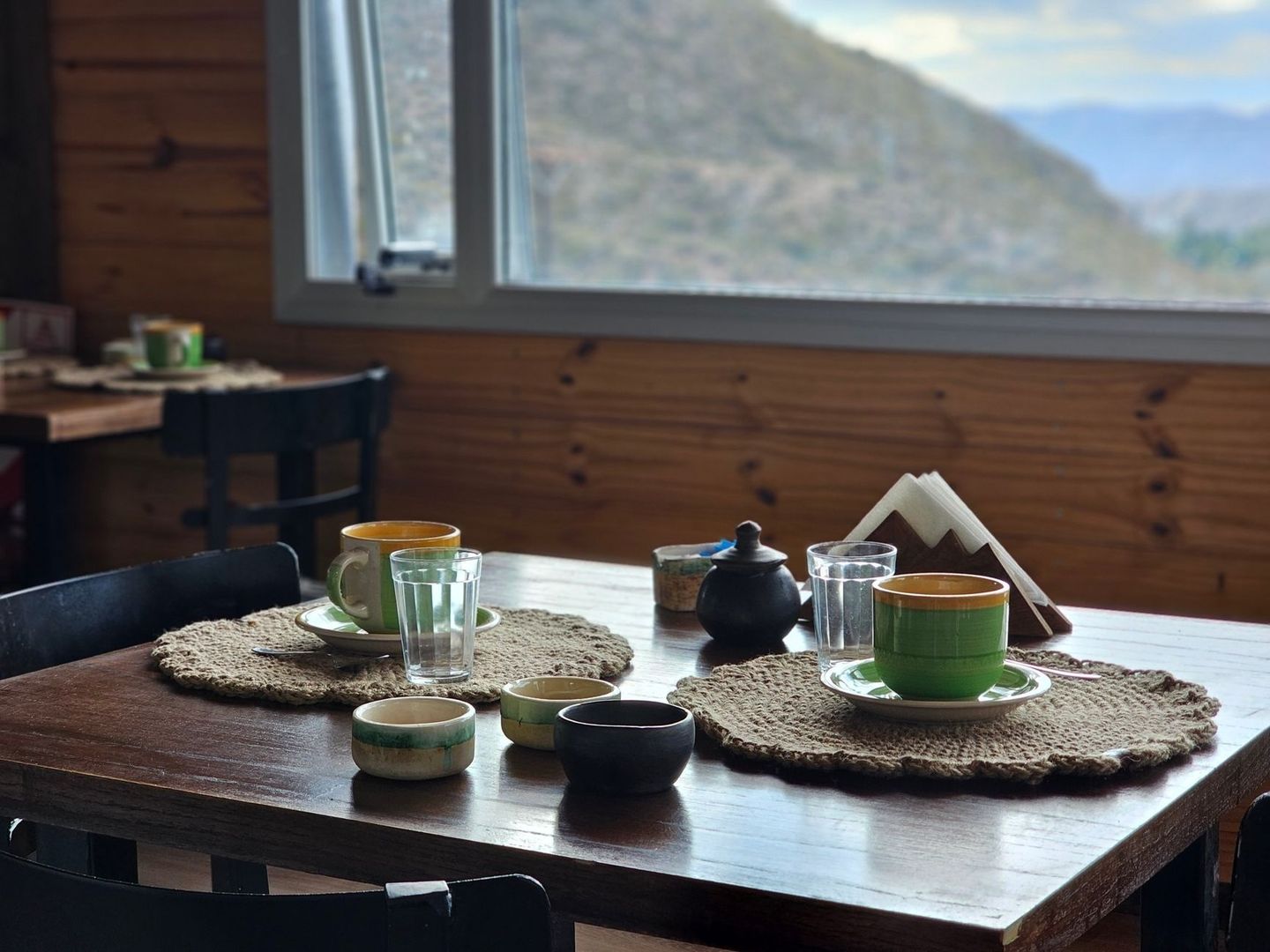
Cozy wooden dining table set with coffee and tea beside a mountain view
A leisurely breakfast offers travelers a gentle introduction to Stowe”s landscape, local hospitality, and unhurried mountain rhythm.

The Architecture of Authentic Farmhouse Comfort

Comfort food has a powerful emotional vocabulary. Familiar aromas and textures can recall family kitchens, holiday mornings, and the reassuring rhythm of meals prepared with care. Reporting from CBS News on comfort foods explores how nostalgia, pleasure, and memories of feeling safe can shape the way people respond to familiar dishes. That emotional dimension helps explain why a hearty farmhouse breakfast feels restorative, especially after a cold night or an early drive through mountain roads.

The classic Vermont plate is satisfying without being showy. Thick-cut bacon brings a smoky, savory edge; eggs arrive with bright yolks and soft, rich texture; and golden griddled cakes provide a warm foundation for butter and syrup. Depending on the kitchen, the plate may also include breakfast potatoes, toast, seasonal fruit, or a slice of sharp cheddar. These details matter because farmhouse cooking is built on balance. Sweet, salty, creamy, crisp, and warm elements meet on one plate, creating the kind of meal that invites a slower pace.

Atmosphere completes the experience. Historic dining rooms, wood-paneled inns, and cozy mountain taverns often feature worn floors, local artwork, sturdy tables, and windows framing snowy ridges or autumn color. The setting makes even a simple meal feel connected to the surrounding community. Expect details such as:

  • Cast-iron or griddle-cooked cakes with crisp edges and tender centers
  • Eggs prepared to order, often paired with potatoes or farmhouse toast
  • Smoked or thick-cut bacon served as a savory counterpoint to maple sweetness
  • Dark coffee, warm service, and a dining room designed for lingering

A breakfast gift collection such as a classic New England breakfast basket captures the same regional language through pancake mix, maple syrup, coffee, and fruit preserves. At a Stowe table, however, the appeal is not only in the ingredients. It is in the fresh preparation, the welcome from the staff, and the pleasure of watching a mountain morning unfold at an unhurried pace.

Regional Liquid Gold and Pasture Heritage

Maple syrup is the unmistakable star of the Vermont breakfast table, but its character is more nuanced than a single bottle might suggest. Vermont maple syrup is graded by color and flavor intensity, with lighter syrup offering a delicate sweetness and darker grades providing deeper caramel, toasted, and woodsy notes. The best choice depends on the dish. A lighter syrup can complement fruit and delicate pancakes, while a robust dark grade stands up beautifully to cornmeal cakes, bacon, or hearty French toast.

Honey adds another layer of local identity. Vermont”s agricultural traditions extend beyond sugarbushes into meadows, orchards, and working farms, and the state is recognized as New England”s leading honey producer according to the food culture overview from Vermont food culture specialists. Local honey may reflect the season and surrounding flora, ranging from floral and light to deeply aromatic. A small drizzle over toast, yogurt, or baked goods gives breakfast a distinctly pastoral quality.

Dairy is equally important to the region”s culinary heritage. Cultured butter brings a gentle tang and luxurious texture to pancakes, while farmhouse cheddar adds savory depth to eggs, potatoes, and breakfast sandwiches. Vermont”s cheesemaking tradition includes more than 45 creameries, producing everything from classic cheddar to chèvre and more experimental varieties. The following table illustrates how familiar breakfast staples connect to local provenance.

Breakfast staple Regional connection Best breakfast pairing
Maple syrup Vermont sugarbushes and small maple producers Griddled cakes, French toast, bacon
Raw or whipped honey Vermont apiaries and flowering agricultural landscapes Toast, yogurt, oatmeal, pastries
Cultured butter Pasture-based dairy traditions Pancakes, biscuits, roasted potatoes
Farmhouse cheddar Vermont creameries and cheesemaking culture Eggs, hash, breakfast sandwiches
Apple cider Regional orchards growing more than 150 apple varieties Cider donuts, baked goods, seasonal brunch

That connection between pasture, orchard, forest, and table is central to Vermont”s appeal. Breakfast does not need an elaborate tasting menu to communicate local character. A well-made biscuit with butter, a cheddar omelet, or a pancake stack finished with regional syrup can express the working landscape more clearly than any souvenir. The ingredients carry history, while the hospitality gives them meaning.

Stowe Gathering Spaces That Foster Community

Breakfast rooms and diner counters serve as informal meeting places where visitors and locals share the same essentials: coffee, warmth, and a little time before the day begins. At a counter, a skier may sit beside a longtime resident, while an inn dining room brings together families, couples, and hikers comparing plans for the afternoon. These spaces make conversation feel natural because the atmosphere is relaxed and the food is familiar.

The broader Green Mountain Byway reinforces this connection between food, culture, agriculture, and community. Its towns, including Stowe, Waterbury, Cambridge, Jeffersonville, and Johnson, link farms and markets with galleries, performances, public spaces, and historic gathering places. The byway”s art, food, and culture offerings show how local identity is sustained through shared experiences rather than isolated attractions. Travelers should remember that some markets, galleries, and seasonal businesses keep limited hours, so checking schedules or calling ahead is wise.

For a more unhurried morning, look beyond the most visible restaurant cluster. Helpful strategies include:

  • Ask innkeepers or café staff which spots locals favor on weekdays.
  • Visit outside peak ski breakfast hours, especially after the earliest rush.
  • Look for counter seating, historic inns, and independent cafés rather than only large resort dining rooms.
  • Check seasonal schedules before visiting farmers markets or rural food destinations.
  • Allow at least an hour so the meal feels like part of the trip, not an interruption.

Authentic hospitality is often communicated through small gestures: a refill offered before the cup is empty, a careful explanation of the syrup selection, or a recommendation for the best scenic route after breakfast. In Stowe, those moments help transform a meal into a point of connection with the place.

Embracing the Unhurried Mountain Morning

The easiest way to enjoy a Vermont breakfast is to change the purpose of the meal. Instead of treating it as pre-ski preparation or a quick stop before a hike, treat it as the first experience of the day. The Green Mountains reward a slower rhythm, whether the view includes snow-covered peaks, mist rising from a valley, or autumn foliage glowing along the road. Regional travel guidance for nearby mountain destinations likewise emphasizes allowing time for scenery, food, culture, and outdoor exploration rather than rushing from one attraction to the next.

A mindful morning does not require a long itinerary or a formal brunch reservation. It requires enough space to notice the coffee, taste the difference between maple grades, and appreciate the labor behind a good meal. These simple steps can help:

  1. Choose one breakfast destination that feels connected to the town or countryside.
  2. Arrive early enough to avoid rushing, particularly during winter weekends and fall foliage season.
  3. Order one regional specialty, such as maple-topped pancakes, cider donuts, or Vermont cheddar with eggs.
  4. Put away the phone for the first few minutes and pay attention to the room, the service, and the changing mountain light.
  5. Leave time for a short walk, scenic drive, or conversation with staff about local farms and seasonal highlights.

Season changes the experience dramatically. Winter mornings bring crisp air, dark coffee, and the satisfying warmth of a substantial plate after time outdoors. Autumn breakfasts feel brighter and more aromatic, especially when apples, cider, and maple take center stage against a landscape of red, orange, and gold. Spring brings fresh air and the promise of farm markets, while summer favors lighter plates, berries, and open-window dining. Each season offers a different reason to linger.

Make Time for the Table on Your Next Vermont Journey

Classic Vermont breakfasts endure because they gather so much meaning into an approachable meal. They express the state”s agricultural heritage through maple syrup, honey, dairy, eggs, apples, and carefully prepared grains. They also preserve a social tradition in which a dining room becomes a place to exchange recommendations, welcome travelers, and begin the day with genuine warmth. In Stowe, that combination of quality and connection is as important to the visitor experience as any trail, lift, or scenic overlook.

Plan outdoor adventures around the meal rather than squeezing breakfast into the margins. Sit with a hot mug, order a warm stack of pancakes, and notice how the room reflects the mountain town beyond the window. The lasting appeal of a Vermont breakfast is found in that pause: a simple table, generous ingredients, and the quiet pleasure of being welcomed before the day gathers speed.

The Lasting Appeal of Classic Vermont Breakfasts

The Morning Ritual That Grounds Mountain Life

In a world of hurried coffee runs and breakfast eaten behind a steering wheel, a classic Vermont morning feels wonderfully deliberate. The day begins with a hot mug, a generous plate, and enough time for conversation. In Stowe, that pause is especially welcome. The village sits beneath the Green Mountains, where skiers, hikers, cyclists, and leaf peepers arrive with full itineraries, yet the most memorable part of the morning may be the quiet hour before the first trail or scenic drive.

A traditional Vermont breakfast offers more than fuel for alpine adventures. It creates a sense of place through familiar ingredients, careful preparation, and the easy hospitality of a welcoming dining room. A stack of griddled cakes with local syrup, farm-fresh eggs, crisp bacon, and strong coffee can turn an ordinary morning into a small cultural ritual. For travelers seeking an authentic Stowe experience, a relaxed table at a local Vermont breakfast destination provides an ideal introduction to the region”s landscape, farming traditions, and gracious mountain-town character.

Cozy wooden dining table set with coffee and tea beside a mountain view
A leisurely breakfast offers travelers a gentle introduction to Stowe”s landscape, local hospitality, and unhurried mountain rhythm.

The Architecture of Authentic Farmhouse Comfort

Comfort food has a powerful emotional vocabulary. Familiar aromas and textures can recall family kitchens, holiday mornings, and the reassuring rhythm of meals prepared with care. Reporting from CBS News on comfort foods explores how nostalgia, pleasure, and memories of feeling safe can shape the way people respond to familiar dishes. That emotional dimension helps explain why a hearty farmhouse breakfast feels restorative, especially after a cold night or an early drive through mountain roads.

The classic Vermont plate is satisfying without being showy. Thick-cut bacon brings a smoky, savory edge; eggs arrive with bright yolks and soft, rich texture; and golden griddled cakes provide a warm foundation for butter and syrup. Depending on the kitchen, the plate may also include breakfast potatoes, toast, seasonal fruit, or a slice of sharp cheddar. These details matter because farmhouse cooking is built on balance. Sweet, salty, creamy, crisp, and warm elements meet on one plate, creating the kind of meal that invites a slower pace.

Atmosphere completes the experience. Historic dining rooms, wood-paneled inns, and cozy mountain taverns often feature worn floors, local artwork, sturdy tables, and windows framing snowy ridges or autumn color. The setting makes even a simple meal feel connected to the surrounding community. Expect details such as:

  • Cast-iron or griddle-cooked cakes with crisp edges and tender centers
  • Eggs prepared to order, often paired with potatoes or farmhouse toast
  • Smoked or thick-cut bacon served as a savory counterpoint to maple sweetness
  • Dark coffee, warm service, and a dining room designed for lingering

A breakfast gift collection such as a classic New England breakfast basket captures the same regional language through pancake mix, maple syrup, coffee, and fruit preserves. At a Stowe table, however, the appeal is not only in the ingredients. It is in the fresh preparation, the welcome from the staff, and the pleasure of watching a mountain morning unfold at an unhurried pace.

Regional Liquid Gold and Pasture Heritage

Maple syrup is the unmistakable star of the Vermont breakfast table, but its character is more nuanced than a single bottle might suggest. Vermont maple syrup is graded by color and flavor intensity, with lighter syrup offering a delicate sweetness and darker grades providing deeper caramel, toasted, and woodsy notes. The best choice depends on the dish. A lighter syrup can complement fruit and delicate pancakes, while a robust dark grade stands up beautifully to cornmeal cakes, bacon, or hearty French toast.

Honey adds another layer of local identity. Vermont”s agricultural traditions extend beyond sugarbushes into meadows, orchards, and working farms, and the state is recognized as New England”s leading honey producer according to the food culture overview from Vermont food culture specialists. Local honey may reflect the season and surrounding flora, ranging from floral and light to deeply aromatic. A small drizzle over toast, yogurt, or baked goods gives breakfast a distinctly pastoral quality.

Dairy is equally important to the region”s culinary heritage. Cultured butter brings a gentle tang and luxurious texture to pancakes, while farmhouse cheddar adds savory depth to eggs, potatoes, and breakfast sandwiches. Vermont”s cheesemaking tradition includes more than 45 creameries, producing everything from classic cheddar to chèvre and more experimental varieties. The following table illustrates how familiar breakfast staples connect to local provenance.

Breakfast staple Regional connection Best breakfast pairing
Maple syrup Vermont sugarbushes and small maple producers Griddled cakes, French toast, bacon
Raw or whipped honey Vermont apiaries and flowering agricultural landscapes Toast, yogurt, oatmeal, pastries
Cultured butter Pasture-based dairy traditions Pancakes, biscuits, roasted potatoes
Farmhouse cheddar Vermont creameries and cheesemaking culture Eggs, hash, breakfast sandwiches
Apple cider Regional orchards growing more than 150 apple varieties Cider donuts, baked goods, seasonal brunch

That connection between pasture, orchard, forest, and table is central to Vermont”s appeal. Breakfast does not need an elaborate tasting menu to communicate local character. A well-made biscuit with butter, a cheddar omelet, or a pancake stack finished with regional syrup can express the working landscape more clearly than any souvenir. The ingredients carry history, while the hospitality gives them meaning.

Stowe Gathering Spaces That Foster Community

Breakfast rooms and diner counters serve as informal meeting places where visitors and locals share the same essentials: coffee, warmth, and a little time before the day begins. At a counter, a skier may sit beside a longtime resident, while an inn dining room brings together families, couples, and hikers comparing plans for the afternoon. These spaces make conversation feel natural because the atmosphere is relaxed and the food is familiar.

The broader Green Mountain Byway reinforces this connection between food, culture, agriculture, and community. Its towns, including Stowe, Waterbury, Cambridge, Jeffersonville, and Johnson, link farms and markets with galleries, performances, public spaces, and historic gathering places. The byway”s art, food, and culture offerings show how local identity is sustained through shared experiences rather than isolated attractions. Travelers should remember that some markets, galleries, and seasonal businesses keep limited hours, so checking schedules or calling ahead is wise.

For a more unhurried morning, look beyond the most visible restaurant cluster. Helpful strategies include:

  • Ask innkeepers or café staff which spots locals favor on weekdays.
  • Visit outside peak ski breakfast hours, especially after the earliest rush.
  • Look for counter seating, historic inns, and independent cafés rather than only large resort dining rooms.
  • Check seasonal schedules before visiting farmers markets or rural food destinations.
  • Allow at least an hour so the meal feels like part of the trip, not an interruption.

Authentic hospitality is often communicated through small gestures: a refill offered before the cup is empty, a careful explanation of the syrup selection, or a recommendation for the best scenic route after breakfast. In Stowe, those moments help transform a meal into a point of connection with the place.

Embracing the Unhurried Mountain Morning

The easiest way to enjoy a Vermont breakfast is to change the purpose of the meal. Instead of treating it as pre-ski preparation or a quick stop before a hike, treat it as the first experience of the day. The Green Mountains reward a slower rhythm, whether the view includes snow-covered peaks, mist rising from a valley, or autumn foliage glowing along the road. Regional travel guidance for nearby mountain destinations likewise emphasizes allowing time for scenery, food, culture, and outdoor exploration rather than rushing from one attraction to the next.

A mindful morning does not require a long itinerary or a formal brunch reservation. It requires enough space to notice the coffee, taste the difference between maple grades, and appreciate the labor behind a good meal. These simple steps can help:

  1. Choose one breakfast destination that feels connected to the town or countryside.
  2. Arrive early enough to avoid rushing, particularly during winter weekends and fall foliage season.
  3. Order one regional specialty, such as maple-topped pancakes, cider donuts, or Vermont cheddar with eggs.
  4. Put away the phone for the first few minutes and pay attention to the room, the service, and the changing mountain light.
  5. Leave time for a short walk, scenic drive, or conversation with staff about local farms and seasonal highlights.

Season changes the experience dramatically. Winter mornings bring crisp air, dark coffee, and the satisfying warmth of a substantial plate after time outdoors. Autumn breakfasts feel brighter and more aromatic, especially when apples, cider, and maple take center stage against a landscape of red, orange, and gold. Spring brings fresh air and the promise of farm markets, while summer favors lighter plates, berries, and open-window dining. Each season offers a different reason to linger.

Make Time for the Table on Your Next Vermont Journey

Classic Vermont breakfasts endure because they gather so much meaning into an approachable meal. They express the state”s agricultural heritage through maple syrup, honey, dairy, eggs, apples, and carefully prepared grains. They also preserve a social tradition in which a dining room becomes a place to exchange recommendations, welcome travelers, and begin the day with genuine warmth. In Stowe, that combination of quality and connection is as important to the visitor experience as any trail, lift, or scenic overlook.

Plan outdoor adventures around the meal rather than squeezing breakfast into the margins. Sit with a hot mug, order a warm stack of pancakes, and notice how the room reflects the mountain town beyond the window. The lasting appeal of a Vermont breakfast is found in that pause: a simple table, generous ingredients, and the quiet pleasure of being welcomed before the day gathers speed.

The Lasting Appeal of Classic Vermont Breakfasts

The Morning Ritual That Grounds Mountain Life

In a world of hurried coffee runs and breakfast eaten behind a steering wheel, a classic Vermont morning feels wonderfully deliberate. The day begins with a hot mug, a generous plate, and enough time for conversation. In Stowe, that pause is especially welcome. The village sits beneath the Green Mountains, where skiers, hikers, cyclists, and leaf peepers arrive with full itineraries, yet the most memorable part of the morning may be the quiet hour before the first trail or scenic drive.

A traditional Vermont breakfast offers more than fuel for alpine adventures. It creates a sense of place through familiar ingredients, careful preparation, and the easy hospitality of a welcoming dining room. A stack of griddled cakes with local syrup, farm-fresh eggs, crisp bacon, and strong coffee can turn an ordinary morning into a small cultural ritual. For travelers seeking an authentic Stowe experience, a relaxed table at a local Vermont breakfast destination provides an ideal introduction to the region”s landscape, farming traditions, and gracious mountain-town character.

Cozy wooden dining table set with coffee and tea beside a mountain view
A leisurely breakfast offers travelers a gentle introduction to Stowe”s landscape, local hospitality, and unhurried mountain rhythm.

The Architecture of Authentic Farmhouse Comfort

Comfort food has a powerful emotional vocabulary. Familiar aromas and textures can recall family kitchens, holiday mornings, and the reassuring rhythm of meals prepared with care. Reporting from CBS News on comfort foods explores how nostalgia, pleasure, and memories of feeling safe can shape the way people respond to familiar dishes. That emotional dimension helps explain why a hearty farmhouse breakfast feels restorative, especially after a cold night or an early drive through mountain roads.

The classic Vermont plate is satisfying without being showy. Thick-cut bacon brings a smoky, savory edge; eggs arrive with bright yolks and soft, rich texture; and golden griddled cakes provide a warm foundation for butter and syrup. Depending on the kitchen, the plate may also include breakfast potatoes, toast, seasonal fruit, or a slice of sharp cheddar. These details matter because farmhouse cooking is built on balance. Sweet, salty, creamy, crisp, and warm elements meet on one plate, creating the kind of meal that invites a slower pace.

Atmosphere completes the experience. Historic dining rooms, wood-paneled inns, and cozy mountain taverns often feature worn floors, local artwork, sturdy tables, and windows framing snowy ridges or autumn color. The setting makes even a simple meal feel connected to the surrounding community. Expect details such as:

  • Cast-iron or griddle-cooked cakes with crisp edges and tender centers
  • Eggs prepared to order, often paired with potatoes or farmhouse toast
  • Smoked or thick-cut bacon served as a savory counterpoint to maple sweetness
  • Dark coffee, warm service, and a dining room designed for lingering

A breakfast gift collection such as a classic New England breakfast basket captures the same regional language through pancake mix, maple syrup, coffee, and fruit preserves. At a Stowe table, however, the appeal is not only in the ingredients. It is in the fresh preparation, the welcome from the staff, and the pleasure of watching a mountain morning unfold at an unhurried pace.

Regional Liquid Gold and Pasture Heritage

Maple syrup is the unmistakable star of the Vermont breakfast table, but its character is more nuanced than a single bottle might suggest. Vermont maple syrup is graded by color and flavor intensity, with lighter syrup offering a delicate sweetness and darker grades providing deeper caramel, toasted, and woodsy notes. The best choice depends on the dish. A lighter syrup can complement fruit and delicate pancakes, while a robust dark grade stands up beautifully to cornmeal cakes, bacon, or hearty French toast.

Honey adds another layer of local identity. Vermont”s agricultural traditions extend beyond sugarbushes into meadows, orchards, and working farms, and the state is recognized as New England”s leading honey producer according to the food culture overview from Vermont food culture specialists. Local honey may reflect the season and surrounding flora, ranging from floral and light to deeply aromatic. A small drizzle over toast, yogurt, or baked goods gives breakfast a distinctly pastoral quality.

Dairy is equally important to the region”s culinary heritage. Cultured butter brings a gentle tang and luxurious texture to pancakes, while farmhouse cheddar adds savory depth to eggs, potatoes, and breakfast sandwiches. Vermont”s cheesemaking tradition includes more than 45 creameries, producing everything from classic cheddar to chèvre and more experimental varieties. The following table illustrates how familiar breakfast staples connect to local provenance.

Breakfast staple Regional connection Best breakfast pairing
Maple syrup Vermont sugarbushes and small maple producers Griddled cakes, French toast, bacon
Raw or whipped honey Vermont apiaries and flowering agricultural landscapes Toast, yogurt, oatmeal, pastries
Cultured butter Pasture-based dairy traditions Pancakes, biscuits, roasted potatoes
Farmhouse cheddar Vermont creameries and cheesemaking culture Eggs, hash, breakfast sandwiches
Apple cider Regional orchards growing more than 150 apple varieties Cider donuts, baked goods, seasonal brunch

That connection between pasture, orchard, forest, and table is central to Vermont”s appeal. Breakfast does not need an elaborate tasting menu to communicate local character. A well-made biscuit with butter, a cheddar omelet, or a pancake stack finished with regional syrup can express the working landscape more clearly than any souvenir. The ingredients carry history, while the hospitality gives them meaning.

Stowe Gathering Spaces That Foster Community

Breakfast rooms and diner counters serve as informal meeting places where visitors and locals share the same essentials: coffee, warmth, and a little time before the day begins. At a counter, a skier may sit beside a longtime resident, while an inn dining room brings together families, couples, and hikers comparing plans for the afternoon. These spaces make conversation feel natural because the atmosphere is relaxed and the food is familiar.

The broader Green Mountain Byway reinforces this connection between food, culture, agriculture, and community. Its towns, including Stowe, Waterbury, Cambridge, Jeffersonville, and Johnson, link farms and markets with galleries, performances, public spaces, and historic gathering places. The byway”s art, food, and culture offerings show how local identity is sustained through shared experiences rather than isolated attractions. Travelers should remember that some markets, galleries, and seasonal businesses keep limited hours, so checking schedules or calling ahead is wise.

For a more unhurried morning, look beyond the most visible restaurant cluster. Helpful strategies include:

  • Ask innkeepers or café staff which spots locals favor on weekdays.
  • Visit outside peak ski breakfast hours, especially after the earliest rush.
  • Look for counter seating, historic inns, and independent cafés rather than only large resort dining rooms.
  • Check seasonal schedules before visiting farmers markets or rural food destinations.
  • Allow at least an hour so the meal feels like part of the trip, not an interruption.

Authentic hospitality is often communicated through small gestures: a refill offered before the cup is empty, a careful explanation of the syrup selection, or a recommendation for the best scenic route after breakfast. In Stowe, those moments help transform a meal into a point of connection with the place.

Embracing the Unhurried Mountain Morning

The easiest way to enjoy a Vermont breakfast is to change the purpose of the meal. Instead of treating it as pre-ski preparation or a quick stop before a hike, treat it as the first experience of the day. The Green Mountains reward a slower rhythm, whether the view includes snow-covered peaks, mist rising from a valley, or autumn foliage glowing along the road. Regional travel guidance for nearby mountain destinations likewise emphasizes allowing time for scenery, food, culture, and outdoor exploration rather than rushing from one attraction to the next.

A mindful morning does not require a long itinerary or a formal brunch reservation. It requires enough space to notice the coffee, taste the difference between maple grades, and appreciate the labor behind a good meal. These simple steps can help:

  1. Choose one breakfast destination that feels connected to the town or countryside.
  2. Arrive early enough to avoid rushing, particularly during winter weekends and fall foliage season.
  3. Order one regional specialty, such as maple-topped pancakes, cider donuts, or Vermont cheddar with eggs.
  4. Put away the phone for the first few minutes and pay attention to the room, the service, and the changing mountain light.
  5. Leave time for a short walk, scenic drive, or conversation with staff about local farms and seasonal highlights.

Season changes the experience dramatically. Winter mornings bring crisp air, dark coffee, and the satisfying warmth of a substantial plate after time outdoors. Autumn breakfasts feel brighter and more aromatic, especially when apples, cider, and maple take center stage against a landscape of red, orange, and gold. Spring brings fresh air and the promise of farm markets, while summer favors lighter plates, berries, and open-window dining. Each season offers a different reason to linger.

Make Time for the Table on Your Next Vermont Journey

Classic Vermont breakfasts endure because they gather so much meaning into an approachable meal. They express the state”s agricultural heritage through maple syrup, honey, dairy, eggs, apples, and carefully prepared grains. They also preserve a social tradition in which a dining room becomes a place to exchange recommendations, welcome travelers, and begin the day with genuine warmth. In Stowe, that combination of quality and connection is as important to the visitor experience as any trail, lift, or scenic overlook.

Plan outdoor adventures around the meal rather than squeezing breakfast into the margins. Sit with a hot mug, order a warm stack of pancakes, and notice how the room reflects the mountain town beyond the window. The lasting appeal of a Vermont breakfast is found in that pause: a simple table, generous ingredients, and the quiet pleasure of being welcomed before the day gathers speed.

The Lasting Appeal of Classic Vermont Breakfasts

The Morning Ritual That Grounds Mountain Life

In a world of hurried coffee runs and breakfast eaten behind a steering wheel, a classic Vermont morning feels wonderfully deliberate. The day begins with a hot mug, a generous plate, and enough time for conversation. In Stowe, that pause is especially welcome. The village sits beneath the Green Mountains, where skiers, hikers, cyclists, and leaf peepers arrive with full itineraries, yet the most memorable part of the morning may be the quiet hour before the first trail or scenic drive.

A traditional Vermont breakfast offers more than fuel for alpine adventures. It creates a sense of place through familiar ingredients, careful preparation, and the easy hospitality of a welcoming dining room. A stack of griddled cakes with local syrup, farm-fresh eggs, crisp bacon, and strong coffee can turn an ordinary morning into a small cultural ritual. For travelers seeking an authentic Stowe experience, a relaxed table at a local Vermont breakfast destination provides an ideal introduction to the region”s landscape, farming traditions, and gracious mountain-town character.

Cozy wooden dining table set with coffee and tea beside a mountain view
A leisurely breakfast offers travelers a gentle introduction to Stowe”s landscape, local hospitality, and unhurried mountain rhythm.

The Architecture of Authentic Farmhouse Comfort

Comfort food has a powerful emotional vocabulary. Familiar aromas and textures can recall family kitchens, holiday mornings, and the reassuring rhythm of meals prepared with care. Reporting from CBS News on comfort foods explores how nostalgia, pleasure, and memories of feeling safe can shape the way people respond to familiar dishes. That emotional dimension helps explain why a hearty farmhouse breakfast feels restorative, especially after a cold night or an early drive through mountain roads.

The classic Vermont plate is satisfying without being showy. Thick-cut bacon brings a smoky, savory edge; eggs arrive with bright yolks and soft, rich texture; and golden griddled cakes provide a warm foundation for butter and syrup. Depending on the kitchen, the plate may also include breakfast potatoes, toast, seasonal fruit, or a slice of sharp cheddar. These details matter because farmhouse cooking is built on balance. Sweet, salty, creamy, crisp, and warm elements meet on one plate, creating the kind of meal that invites a slower pace.

Atmosphere completes the experience. Historic dining rooms, wood-paneled inns, and cozy mountain taverns often feature worn floors, local artwork, sturdy tables, and windows framing snowy ridges or autumn color. The setting makes even a simple meal feel connected to the surrounding community. Expect details such as:

  • Cast-iron or griddle-cooked cakes with crisp edges and tender centers
  • Eggs prepared to order, often paired with potatoes or farmhouse toast
  • Smoked or thick-cut bacon served as a savory counterpoint to maple sweetness
  • Dark coffee, warm service, and a dining room designed for lingering

A breakfast gift collection such as a classic New England breakfast basket captures the same regional language through pancake mix, maple syrup, coffee, and fruit preserves. At a Stowe table, however, the appeal is not only in the ingredients. It is in the fresh preparation, the welcome from the staff, and the pleasure of watching a mountain morning unfold at an unhurried pace.

Regional Liquid Gold and Pasture Heritage

Maple syrup is the unmistakable star of the Vermont breakfast table, but its character is more nuanced than a single bottle might suggest. Vermont maple syrup is graded by color and flavor intensity, with lighter syrup offering a delicate sweetness and darker grades providing deeper caramel, toasted, and woodsy notes. The best choice depends on the dish. A lighter syrup can complement fruit and delicate pancakes, while a robust dark grade stands up beautifully to cornmeal cakes, bacon, or hearty French toast.

Honey adds another layer of local identity. Vermont”s agricultural traditions extend beyond sugarbushes into meadows, orchards, and working farms, and the state is recognized as New England”s leading honey producer according to the food culture overview from Vermont food culture specialists. Local honey may reflect the season and surrounding flora, ranging from floral and light to deeply aromatic. A small drizzle over toast, yogurt, or baked goods gives breakfast a distinctly pastoral quality.

Dairy is equally important to the region”s culinary heritage. Cultured butter brings a gentle tang and luxurious texture to pancakes, while farmhouse cheddar adds savory depth to eggs, potatoes, and breakfast sandwiches. Vermont”s cheesemaking tradition includes more than 45 creameries, producing everything from classic cheddar to chèvre and more experimental varieties. The following table illustrates how familiar breakfast staples connect to local provenance.

Breakfast staple Regional connection Best breakfast pairing
Maple syrup Vermont sugarbushes and small maple producers Griddled cakes, French toast, bacon
Raw or whipped honey Vermont apiaries and flowering agricultural landscapes Toast, yogurt, oatmeal, pastries
Cultured butter Pasture-based dairy traditions Pancakes, biscuits, roasted potatoes
Farmhouse cheddar Vermont creameries and cheesemaking culture Eggs, hash, breakfast sandwiches
Apple cider Regional orchards growing more than 150 apple varieties Cider donuts, baked goods, seasonal brunch

That connection between pasture, orchard, forest, and table is central to Vermont”s appeal. Breakfast does not need an elaborate tasting menu to communicate local character. A well-made biscuit with butter, a cheddar omelet, or a pancake stack finished with regional syrup can express the working landscape more clearly than any souvenir. The ingredients carry history, while the hospitality gives them meaning.

Stowe Gathering Spaces That Foster Community

Breakfast rooms and diner counters serve as informal meeting places where visitors and locals share the same essentials: coffee, warmth, and a little time before the day begins. At a counter, a skier may sit beside a longtime resident, while an inn dining room brings together families, couples, and hikers comparing plans for the afternoon. These spaces make conversation feel natural because the atmosphere is relaxed and the food is familiar.

The broader Green Mountain Byway reinforces this connection between food, culture, agriculture, and community. Its towns, including Stowe, Waterbury, Cambridge, Jeffersonville, and Johnson, link farms and markets with galleries, performances, public spaces, and historic gathering places. The byway”s art, food, and culture offerings show how local identity is sustained through shared experiences rather than isolated attractions. Travelers should remember that some markets, galleries, and seasonal businesses keep limited hours, so checking schedules or calling ahead is wise.

For a more unhurried morning, look beyond the most visible restaurant cluster. Helpful strategies include:

  • Ask innkeepers or café staff which spots locals favor on weekdays.
  • Visit outside peak ski breakfast hours, especially after the earliest rush.
  • Look for counter seating, historic inns, and independent cafés rather than only large resort dining rooms.
  • Check seasonal schedules before visiting farmers markets or rural food destinations.
  • Allow at least an hour so the meal feels like part of the trip, not an interruption.

Authentic hospitality is often communicated through small gestures: a refill offered before the cup is empty, a careful explanation of the syrup selection, or a recommendation for the best scenic route after breakfast. In Stowe, those moments help transform a meal into a point of connection with the place.

Embracing the Unhurried Mountain Morning

The easiest way to enjoy a Vermont breakfast is to change the purpose of the meal. Instead of treating it as pre-ski preparation or a quick stop before a hike, treat it as the first experience of the day. The Green Mountains reward a slower rhythm, whether the view includes snow-covered peaks, mist rising from a valley, or autumn foliage glowing along the road. Regional travel guidance for nearby mountain destinations likewise emphasizes allowing time for scenery, food, culture, and outdoor exploration rather than rushing from one attraction to the next.

A mindful morning does not require a long itinerary or a formal brunch reservation. It requires enough space to notice the coffee, taste the difference between maple grades, and appreciate the labor behind a good meal. These simple steps can help:

  1. Choose one breakfast destination that feels connected to the town or countryside.
  2. Arrive early enough to avoid rushing, particularly during winter weekends and fall foliage season.
  3. Order one regional specialty, such as maple-topped pancakes, cider donuts, or Vermont cheddar with eggs.
  4. Put away the phone for the first few minutes and pay attention to the room, the service, and the changing mountain light.
  5. Leave time for a short walk, scenic drive, or conversation with staff about local farms and seasonal highlights.

Season changes the experience dramatically. Winter mornings bring crisp air, dark coffee, and the satisfying warmth of a substantial plate after time outdoors. Autumn breakfasts feel brighter and more aromatic, especially when apples, cider, and maple take center stage against a landscape of red, orange, and gold. Spring brings fresh air and the promise of farm markets, while summer favors lighter plates, berries, and open-window dining. Each season offers a different reason to linger.

Make Time for the Table on Your Next Vermont Journey

Classic Vermont breakfasts endure because they gather so much meaning into an approachable meal. They express the state”s agricultural heritage through maple syrup, honey, dairy, eggs, apples, and carefully prepared grains. They also preserve a social tradition in which a dining room becomes a place to exchange recommendations, welcome travelers, and begin the day with genuine warmth. In Stowe, that combination of quality and connection is as important to the visitor experience as any trail, lift, or scenic overlook.

Plan outdoor adventures around the meal rather than squeezing breakfast into the margins. Sit with a hot mug, order a warm stack of pancakes, and notice how the room reflects the mountain town beyond the window. The lasting appeal of a Vermont breakfast is found in that pause: a simple table, generous ingredients, and the quiet pleasure of being welcomed before the day gathers speed.