From Sap to Syrup: The Culinary Evolution of Vermont Maple Sugaring
The Sweet Awakening of the Green Mountain Woods
In Vermont, the arrival of mud season brings a particular kind of anticipation. Nights still fall below freezing, while bright afternoons coax frost from the ground and send a clear, slightly sweet liquid moving through the trunks of sugar maples. Roads soften, mountain snow retreats, and the woods begin their brief spring performance. At a sugarhouse, that performance becomes breakfast gold, transforming a pure Vermont maple syrup tradition into a memorable part of the regional table.
Fresh sap is nearly transparent and contains only a small percentage of sugar. Through careful concentration and boiling, water leaves the sap until its flavor deepens, its color develops, and its texture becomes the familiar pourable syrup served over pancakes and waffles. Sugaring remains both a community ritual and an exacting culinary craft, connecting family-run sugarbushes, working forests, roadside breakfast rooms, and welcoming New England hospitality. The season is short, but its influence is lasting, reaching from the forest into baking, savory cooking, cocktails, cheese service, and the most comforting morning meals.
Indigenous Wisdom and Early Iron Kettle Boiling
The history of maple sugaring begins long before European settlement, although the precise origins are not fully documented. Eastern Woodland peoples, including the Abenaki, Iroquois, and Micmac, developed sophisticated knowledge of maple trees, seasonal temperatures, sap flow, and preservation. Historical accounts from the sixteenth century describe maple products, while Indigenous traditions preserve older understandings through stories and oral history. The University of Vermont”s maple history guide carefully notes that written records cannot provide a complete account of how sugaring began or whether certain boiling methods developed independently in different communities.
Early methods were practical and remarkably inventive. Sap could be collected from cuts in trees and concentrated with heated stones, allowing water to evaporate without a conventional cooking vessel. As European settlers adopted Indigenous knowledge, drilled holes and wooden spiles became common. Later, iron and copper kettles made open-fire boiling more efficient and suitable for homestead sugar camps. The work was laborious, requiring repeated gathering, constant attention to the fire, and a keen understanding of when thin sap had become concentrated sugar.
Before refined cane sugar became widely available, maple sugar was far more than a seasonal treat. It offered nourishment, sweetness, and a product that could be stored, transported, traded, or given as a gift. In the late eighteenth and early nineteenth centuries, maple sugar was also promoted as an alternative to cane sugar produced through slavery. Thomas Jefferson even established a maple plantation at Monticello in 1791, reflecting the broader economic and moral interest in expanding domestic sweetener production.
- Indigenous communities recognized maple sap as a valuable seasonal food and sweetener.
- Heated stones, wooden vessels, and later iron kettles allowed sap to be concentrated into sugar.
- Maple sugar traveled well, making it useful for storage, trade, gifts, and household income.
- Detailed historical records documented by regional botanical archives illustrate how these early boiling techniques laid the groundwork for modern New England sugaring.
From Wooden Taps to Vacuum Lines and Evaporators
The visual language of old-fashioned sugaring is easy to recognize: hand-carved spiles, wooden buckets, metal pails, and horses moving sledges through a snowy sugarbush. These tools shaped the character of early Vermont production. Sap was gathered tree by tree and carried to the sugarhouse, where it was poured into broad pans over a wood fire. The system worked, but it demanded considerable physical labor and depended heavily on favorable weather and accessible terrain.
Family operations gradually adopted metal spouts, larger gathering tanks, and more durable collection equipment. By the mid-twentieth century, food-grade tubing created a network that could carry sap directly from trees to a central tank. Vacuum pumps later improved sap flow, particularly when weather conditions were less generous. Used responsibly, vacuum systems can reduce the need for repeated tapping and collection trips, helping producers manage large stands of trees while protecting long-term sugarbush health. Vermont producers such as Branon Family West View Maples describe this progression from buckets and horses to tubing, reverse osmosis, and steam-based equipment as an evolution rather than a rejection of tradition.
Modern efficiency becomes especially important because approximately 43 gallons of sap may be required to produce one gallon of syrup, depending on sugar concentration. Reverse osmosis removes much of the water before the sap reaches the evaporator, reducing boiling time and fuel use. Multi-flue pans and steam-based evaporators then provide greater surface area and more controlled heating. The goal is not simply speed. Properly managed concentration and heat preserve the delicate aromatic compounds that distinguish floral, vanilla-like, caramel, toasted, and gently fruity notes in finished syrup.
- Wooden spiles and buckets established the basic collection system used by early homesteads.
- Metal pails, gathering tanks, and horse-drawn sledges increased carrying capacity.
- Food-grade tubing and vacuum pumps moved sap efficiently while supporting careful tree management.
- Reverse osmosis and modern evaporators reduce boiling time without eliminating the producer”s need for close sensory judgment.
The Hearth of the Craft and the Truth About Wood-Fired Flavor
A wood-fired sugarhouse has an atmosphere unlike almost any other seasonal food destination. Steam gathers beneath the rafters, the evaporator breathes heat into the room, and the scent of boiling sap mingles with split hardwood and cool spring air. Visitors may see sparks rise from the firebox while sugarmakers monitor the pan, adjust the draft, and judge the syrup”s progress. The experience is social as well as culinary, with families, neighbors, and travelers gathering around a process that has always rewarded patience and shared attention.
“Wood-fired” describes the fuel used to heat the evaporator, not a smoky flavor intentionally infused into the syrup. As maple producers explain, a well-managed wood fire should not make pure maple syrup taste like ash or campfire smoke. Flavor develops through concentration, heat, caramelization, and the Maillard reaction, not through smoke absorption. Farms that use wood from responsibly managed forests may also view firewood harvesting as part of maintaining woodland health, particularly when damaged or excess trees are selected. At operations such as Silloway Maple, wood heat is presented alongside sustainably managed sugarwoods and renewable energy as part of a broader production philosophy.
Decoding Vermont Maple Syrup Grades and Flavor Pairings
Maple grading is designed to describe color and flavor, not to rank one syrup as inherently better than another. Under the modern USDA and Vermont system, consumer syrup is labeled Grade A and assigned a descriptive category. The categories reflect light transmission, seasonal conditions, sap chemistry, and the character developed during boiling. A pale syrup is not automatically more refined, while a very dark syrup is not a lower-quality product. Each has a proper place at the table.
The four principal categories are Golden Color with Delicate Taste, Amber Color with Rich Taste, Dark Color with Robust Taste, and Very Dark Color with Strong Taste. Early-season sap often produces lighter syrup, while later-season changes can contribute to darker color and more pronounced flavor. As sugars and amino acids respond to heat, caramelization and browning create layers that can suggest toasted grain, coffee, roasted nuts, or molasses. The Vermont Maple Program oversees quality, safety, labeling, and retail compliance, giving shoppers a reliable framework for identifying pure maple products.
| Grade A category | Flavor profile | Best culinary uses |
|---|---|---|
| Golden Color, Delicate Taste | Light, floral, gently sweet | Pancakes, waffles, yogurt, fresh fruit, delicate pastries |
| Amber Color, Rich Taste | Balanced, classic maple character | Breakfast breads, oatmeal, cheese, coffee, everyday table use |
| Dark Color, Robust Taste | Deeper, fuller, more assertive | Glazes, roasted vegetables, bacon, barbecue, hearty cheeses |
| Very Dark Color, Strong Taste | Intense, concentrated, molasses-like | Gingerbread, baked beans, marinades, barbecue sauces, baking |
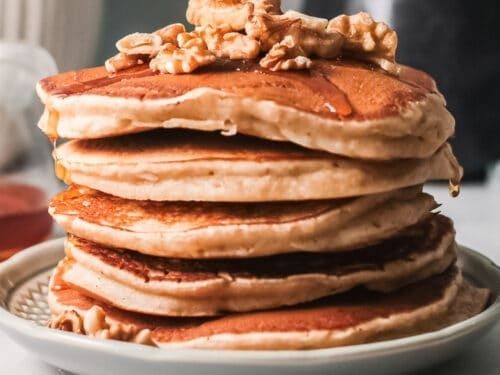
For a leisurely breakfast, Golden syrup suits delicate crepes, ricotta pancakes, and pastries where a lighter touch allows butter, fruit, or vanilla to remain visible. Amber is the dependable all-purpose choice, especially for waffles, oatmeal, French toast, and a warm biscuit served with cultured butter. Dark syrup brings enough presence for sharp cheddar, blue cheese, roasted squash, or a glaze brushed onto ham and root vegetables. Very Dark is particularly useful in recipes where maple must stand up to cocoa, espresso, spice, smoke, or long baking.
Bringing the Sugarhouse Warmth to Your Morning Table
Vermont maple syrup represents a remarkable culinary journey. It begins as clear sap moving through a living forest during a narrow window between winter and spring. It passes through spiles, tubing, tanks, filters, reverse-osmosis equipment, and evaporator pans before becoming a polished pantry staple. Yet the finished bottle still carries the identity of its landscape, its season, its fuel, and the careful judgment of the sugarmaker.
For the most authentic experience, visit a family-run sugarbush or a seasonal breakfast establishment when the evaporators are running. A warm plate of pancakes, a maple creemee, or a locally made pastry tastes different after seeing the steam rise from the sugarhouse. When shopping, look for clear labeling that says pure maple syrup, identifies the Grade A color and taste category, and lists Vermont production when that origin matters. Commercial pancake syrups may contain corn syrup, artificial flavors, or added color, while pure maple syrup needs no imitation to provide complexity.
- Choose pure maple syrup rather than products labeled only as pancake or table syrup.
- Select Golden, Amber, Dark, or Very Dark according to the food being served.
- Store opened syrup as directed, commonly in the refrigerator, to preserve quality.
- Support local sugarhouses, maple shops, and seasonal restaurants that keep this regional tradition active.
At the morning table, maple is both ingredient and invitation. It encourages a slower breakfast, a second cup of coffee, and the kind of relaxed gathering that makes New England hospitality memorable. A well-chosen bottle brings the warmth of the sugarhouse home, one generous pour at a time.